Campaign architecture
The whole arc: what comes out when, what it unlocks, and what the audience has to do to get it.

We run campaigns the way we run everything else: the system comes first, the posts come second. Chapters, mechanics and assets that give people a reason to keep showing up.
Get in touchMost launch marketing is posts about a thing that does not exist yet. Ours is the opposite: we build the chapters, the comics, the mechanics and the assets first, and then the content is simply a window onto something real.
One of our own giveaways put a few hundred free items into the world weeks before launch. They were trading hands between collectors before the product itself existed. That is not something a media plan can buy.
Millions of views and hundreds of thousands of impressions, carried by complete content systems rather than a posting schedule. The Alpha trailer alone pulled an audience the project kept for a year.
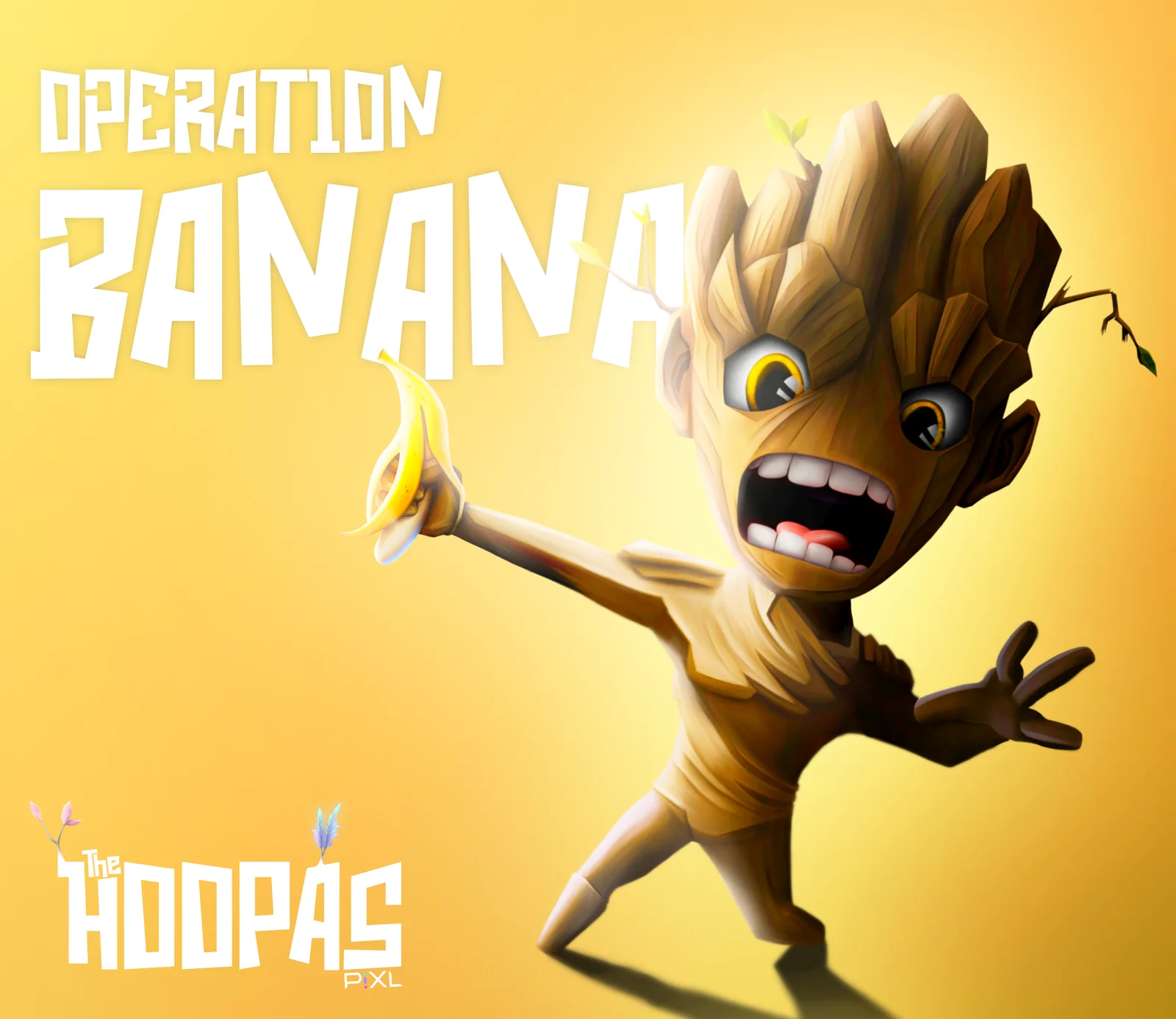
Chapters, comics, key art and films are produced before a single post goes out. That is the part a media plan cannot buy, and the reason the content has somewhere to point.
Owned and organic carry the launch. Paid comes in behind content that already moved on its own, which is the only time the spend is honest.
A chapter that ends is a chapter nobody returns to. Each release leaves something open, and the audience comes back for the answer.
The same campaign, cut for the place it lands, rather than five campaigns fighting each other.
Where a project either has a community or is pretending to. Threads, quests, replies, and being present at three in the morning.
The world as a feed. Character art, cuts from the animation, and the parts of the story that work as a single frame.
Trailers and long-form chapters, for the people who want the whole thing rather than a clip.
The company side. Hiring, the way we build, and the stories behind the work.
Technical SEO and content that keeps working after the campaign stops. The slow channel that nobody wants to fund and everybody wants later.
Free items trading hands, weeks before the product existed.
The people who write the story are the people who run the campaign.
The whole arc: what comes out when, what it unlocks, and what the audience has to do to get it.
Chapters, comics, cuts and posts produced against a calendar instead of invented on the day.
Quests, tribes, giveaways and the rules that turn an audience into participants.
Content and community carry the launch. Paid amplifies what is already working.
When it is worth it: creatives, targeting, and a number that has to come back.
The channel that pays after the drop, and the one most projects skip.
Before a single post, we build the thing the campaign is about: the chapters, the mechanics, the assets. There is nothing to market otherwise.
The story comes out in phases, each one ending somewhere that makes people want the next. This is the part that most launches skip.
Quests, tribes, giveaways. People who did something for a project defend it later. People who watched it do not.
Paid comes last and only behind content that earned attention on its own. Otherwise it is just rent.